|
|
Welcome to our July Newsletter.
|
|
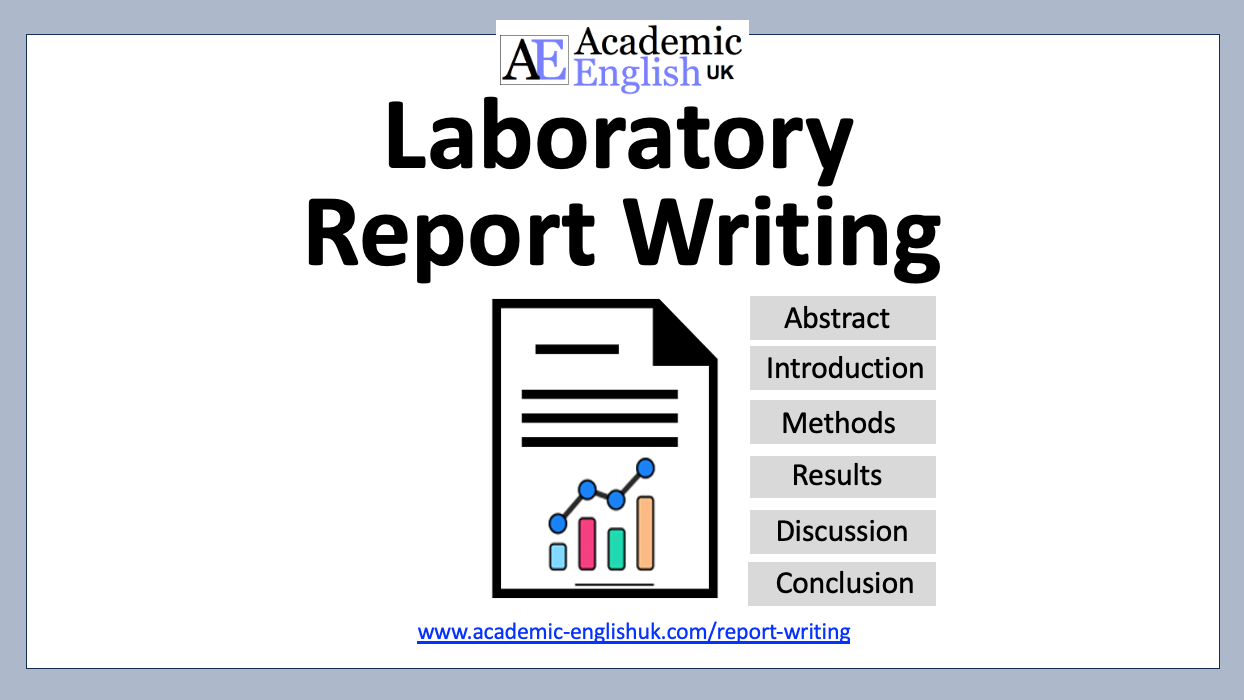
This month, we’re turning our attention to academic writing with new lessons focused on understanding the structure of research reports. Designed to support students working with secondary data, this resource guides learners through the six key sections of a report: abstract, introduction, methods, results, discussion, and conclusion.
|
|
The lessons include a wide range of engaging activities—matching tasks, guided reading, summary exercises, and language analysis—all building towards an optional extension task where students plan and write their own research report.
|
We hope this resource offers a clear and supportive path into research-based writing for your students. Thank you, as always, for your continued support, and keep an eye out for more new materials coming soon.
|
The AEUK Team
Newsletter #162
|
|
|
|
What is an academic laboratory report?
|
An academic laboratory report is a structured scientific document designed to explain the purpose, methods, and results of an experiment in a clear and concise manner. It follows a logical format, typically including sections like Introduction, Methods, Results, Discussion, and References to ensure completeness and clarity without unnecessary detail. Its main goal is to allow others to understand, evaluate, and replicate the investigation, communicating quantitative findings in a formal, well‑organized way
|
|
|
|
Key features of a laboratory report
|

|
|
|
|
|
Laboratory Report Lessons
|
|
|
|
|
|
|
Laboratory Report Writing: Psychology (conformity)
This lesson is designed to help students develop a clear understanding of the key features of a lab report: abstract, introduction, methods, results, discussion and conclusion. Through a series of scaffolded, interactive tasks, students explore the structure and language commonly used in lab reports. Activities include matching tasks, gap fills, reordering tasks and text and grammar analysis, all building towards an optional extension task where students conduct research for a lab report on the topic of online conformity: social media likes. Perfect for both in-person and online teaching, this ready-to-use lesson includes a full answer key, built-in flexibility to engage and support learners at all levels and student’s project pack for the extension task. Example. Level:***** [B2/C1] TEACHER MEMBERSHIP / INSTITUTIONAL MEMBERSHIP
|
|
|
|
|
|
|
|
Laboratory Report Writing: Engineering (Heat conduction)
|
This lesson is designed to help students develop a clear understanding of the key features of a lab report: abstract, introduction, methods, results, discussion and conclusion. Through a series of scaffolded, interactive tasks, students explore the structure and language commonly used in lab reports. Activities include matching tasks, gap fills, reordering tasks and text and grammar analysis, all building towards an optional extension task where students conduct research for a lab report on a similar topic. Perfect for both in-person and online teaching, this ready-to-use lesson includes a full answer key, built-in flexibility to engage and support learners at all levels and student’s project pack for the extension task. Example. Level: ***** [B2/C1] TEACHER MEMBERSHIP / INSTITUTIONAL MEMBERSHIP
|
|
|
|
|
|
|
|
Laboratory Report Writing: Microplastics
This lesson is designed to help students develop a clear understanding of the key features of a lab report: abstract, introduction, methods, results, discussion and conclusion. Through a series of scaffolded, interactive tasks, students explore the structure and language commonly used in lab reports. Activities include matching tasks, gap fills, reordering tasks and text and grammar analysis, all building towards an optional extension task where students conduct research for a lab report on the same topic. Perfect for both in-person and online teaching, this ready-to-use lesson includes a full answer key, built-in flexibility to engage and support learners at all levels and student’s project pack for the extension task. Example Level: ***** [B2/C1] TEACHER MEMBERSHIP / INSTITUTIONAL MEMBERSHIP
|
|
|
|
|
|
|
|
Full Laboratory Reports
|
Full Laboratory Report: Psychology (Conformity)
This 1,000-word laboratory report examines online conformity through the lens of social media “likes” and their influence on group decision making. The report follows standard psychological research conventions and includes the following sections: Abstract, Introduction, Methods, Results, Discussion, and Conclusion. Example. Level: ***** [B2/C1] TEACHER MEMBERSHIP / INSTITUTIONAL MEMBERSHIP
|
|
|
|
Recent Blog Articles
|
|
|
|
|
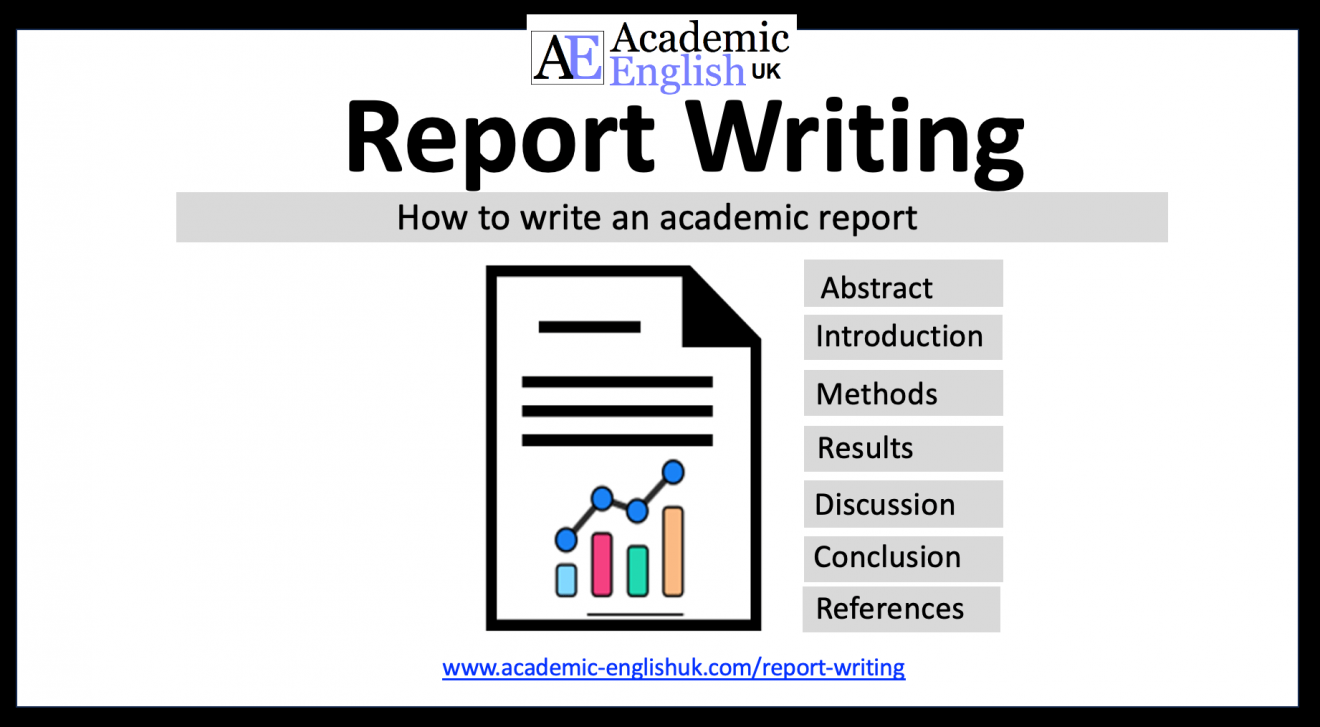
Academic Research Report Writing
|
|
|
April 2025. Academic Research Report Writing. An academic report is a structured document that presents information, analysis, and findings on a specific topic or research …
|
|
|
|
|
|
Error Correction in Writing
|
|
|
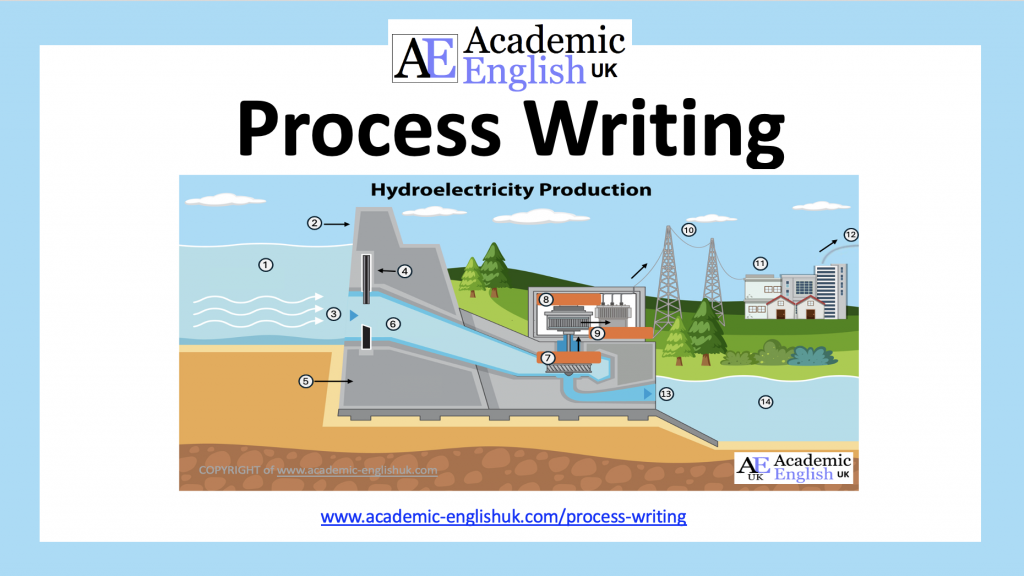
March 2025. Process writing provides a step-by-step description of how something operates or is produced. The explanation includes a range of writing skills: Describe the process in detail...
|
|
|
|
|
|
Error Correction in Writing
|
|
|
Jan & Feb 2025. Error Correction in Writing. These are a selection of lessons that focus on one specific error (prepositions, articles, tenses, wrong word, relative clauses, etc..) in a short ...
|
|
|
|
|
|
Dec 2024 Over the last 12-months of 2024 we created 70 new resources from error correction texts to critical thinking exercises. New releases for 2024 Writing Lessons, vocabulary ...
|
|
|
|
|
|
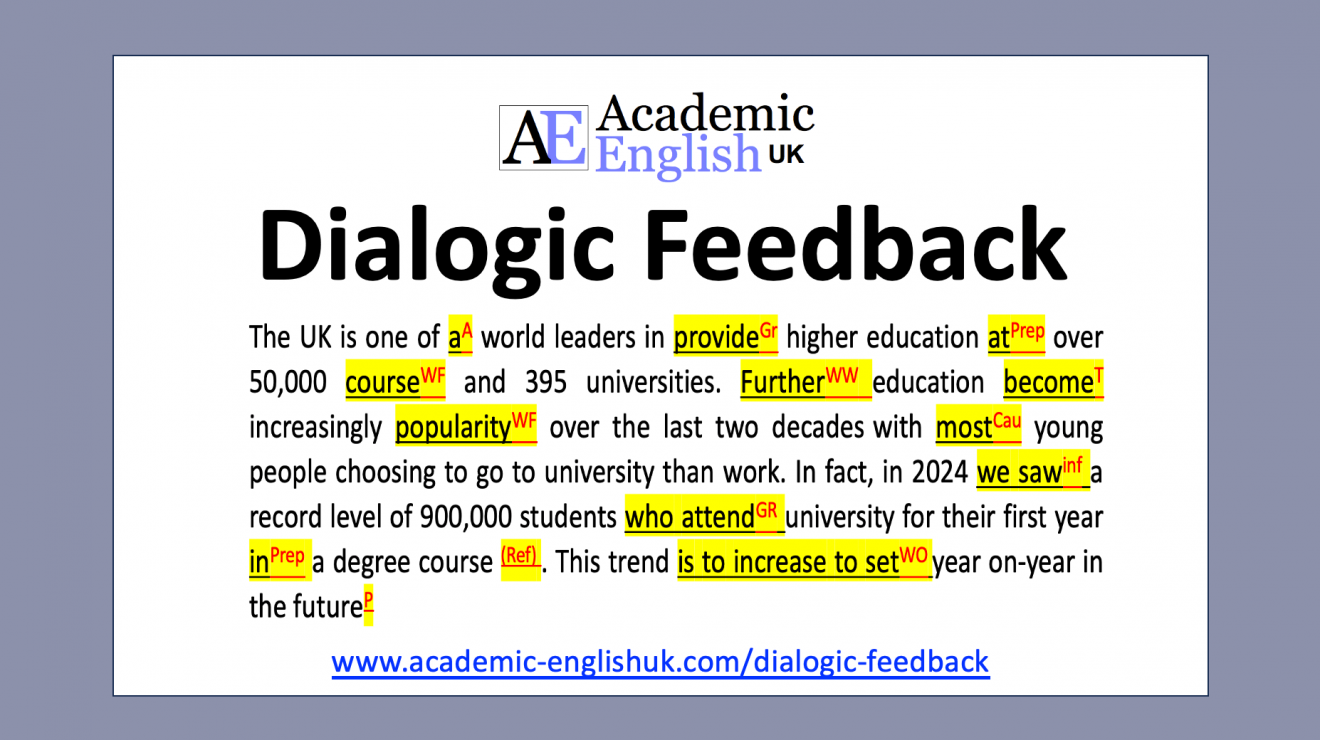
Dialogic Feedback in Academic Writing
|
|
|
Nov 2024 “Dialogic feedback is a way of providing feedback that involves a conversation between a teacher and student, rather than a one-way transmission of information. It's a collaborative ...
|
|
|
|
Want more BLOG articles? Go here for all our 2025 blogs...
|
|
|
|
|
|