|
Welcome to our Newsletter.
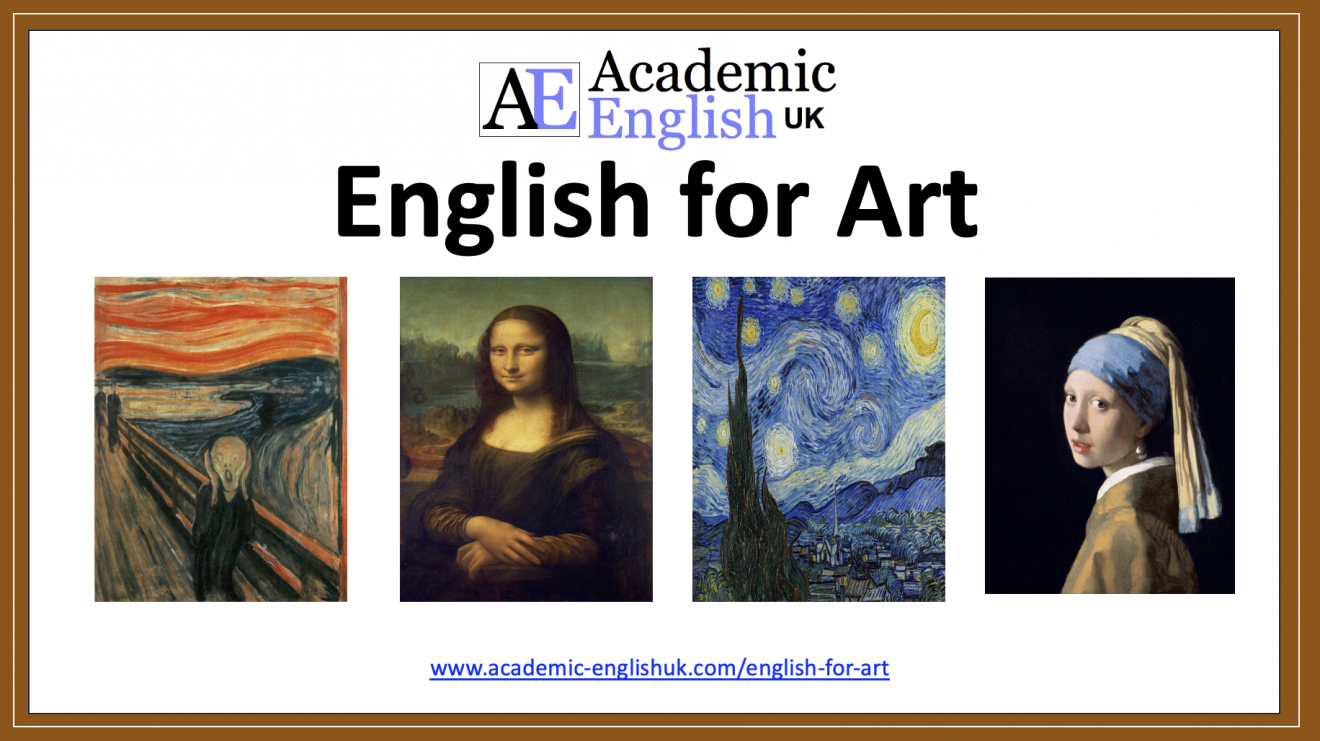
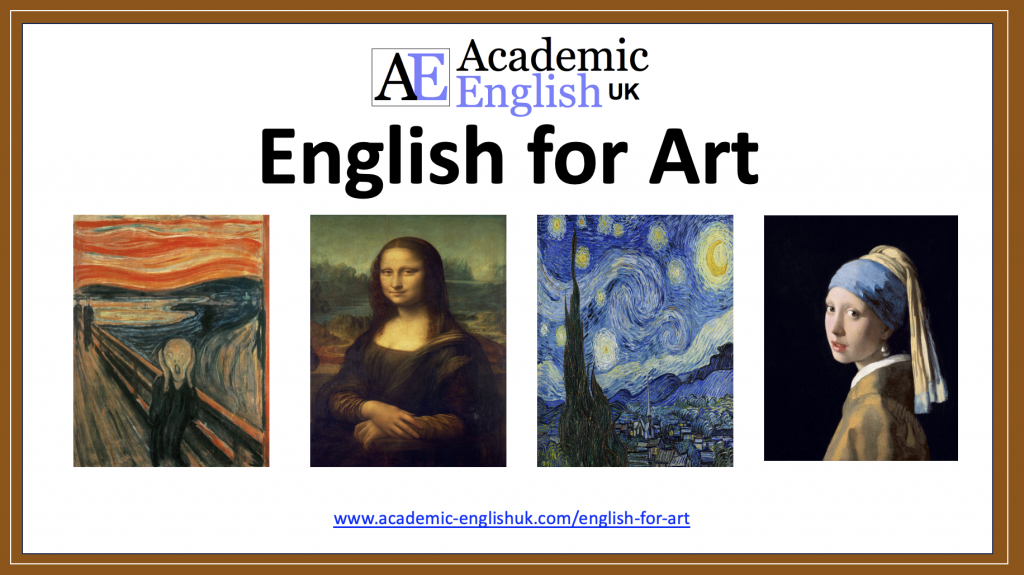
This month, we are delighted to introduce five new English for Art listening lessons, each designed to help students develop the language and analytical skills needed to discuss and interpret artworks. The worksheets feature short-answer questions, matching activities, gap fills, and critical thinking prompts, encouraging learners to engage with art through specialised vocabulary, descriptive techniques, and analytical tasks. Over the next few months, we will continue to develop English for Art topics, expanding the range of lessons and resources available to support students’ learning.
|
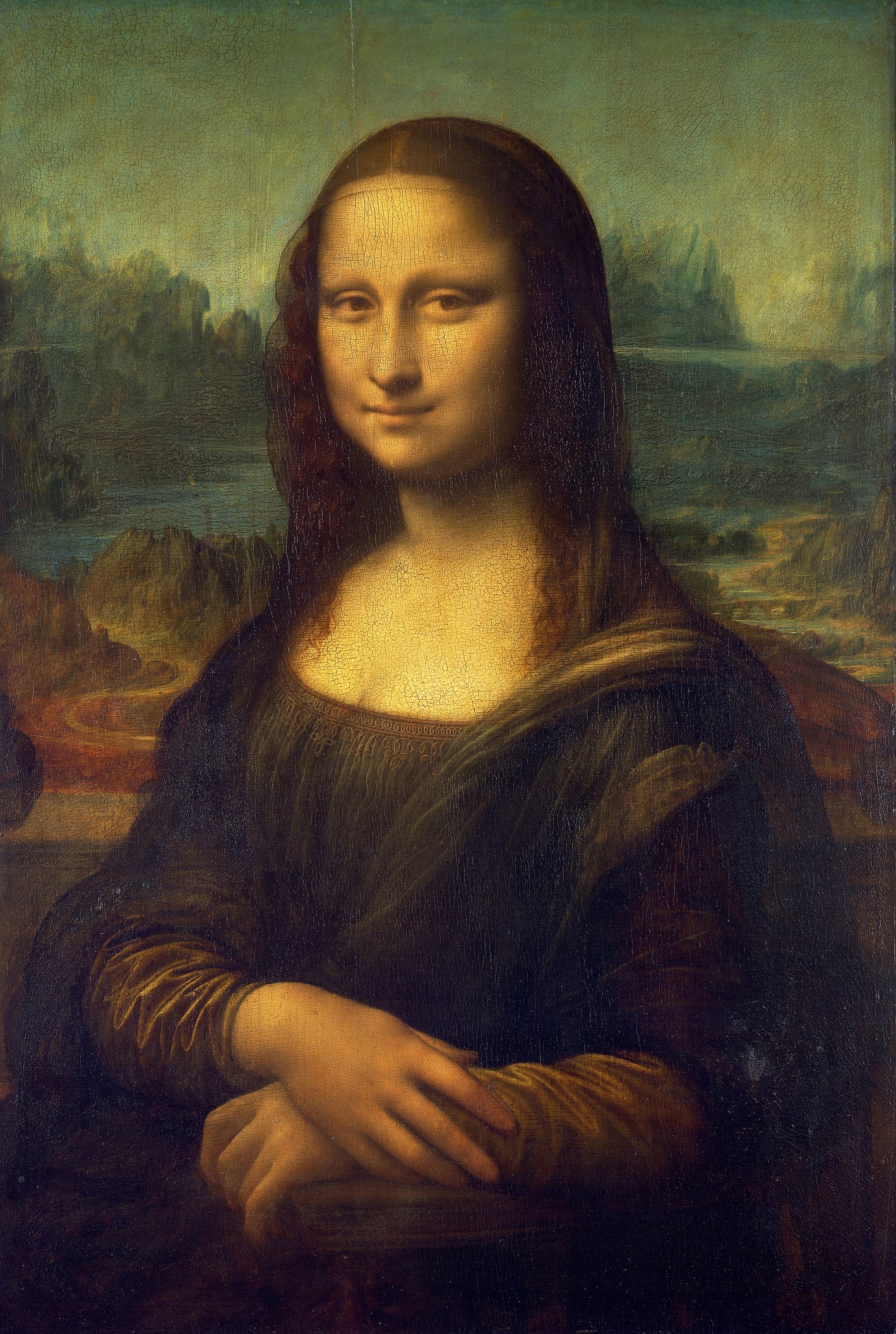
Free lesson: There is a free lesson included in this email on the Mona Lisa.
|
|
Thank you for your continued support.
|
The AEUK Team
Newsletter #167
|
|
|
|
What is English for Art
|
“English for Art” refers to specialised English language instruction that develops vocabulary, grammar, and communication skills relevant to visual arts, art history, and related creative fields. Many universities offer academic English courses tailored for students on art degrees, helping them write critical analyses, present artistic concepts, and engage with scholarly debates in the arts.
|
|
|
|
|
|
The Mona Lisa – Leonardo da Vinci
|
|
Why is the Mona Lisa so famous? by TED-Ed Art
|
The focus of this 5.19-minute lecture is to examine the reasons behind the Mona Lisa’s extraordinary fame. It begins by introducing Leonardo da Vinci’s artistic achievements and innovations in the painting’s technique. It then looks at the theft of the Mona Lisa in 1911 and how media attention boosted its status. Finally, it considers how reproductions, pop culture, and modern tourism have helped maintain its global reputation. The worksheet includes short-answer questions, matching tasks, gap fill, and critical thinking prompts. Level ***** [B2/C1] Video [05.19] TEACHER MEMBERSHIP /INSTITUTIONAL MEMBERSHIP
|
|
|
|
|
|
|
|
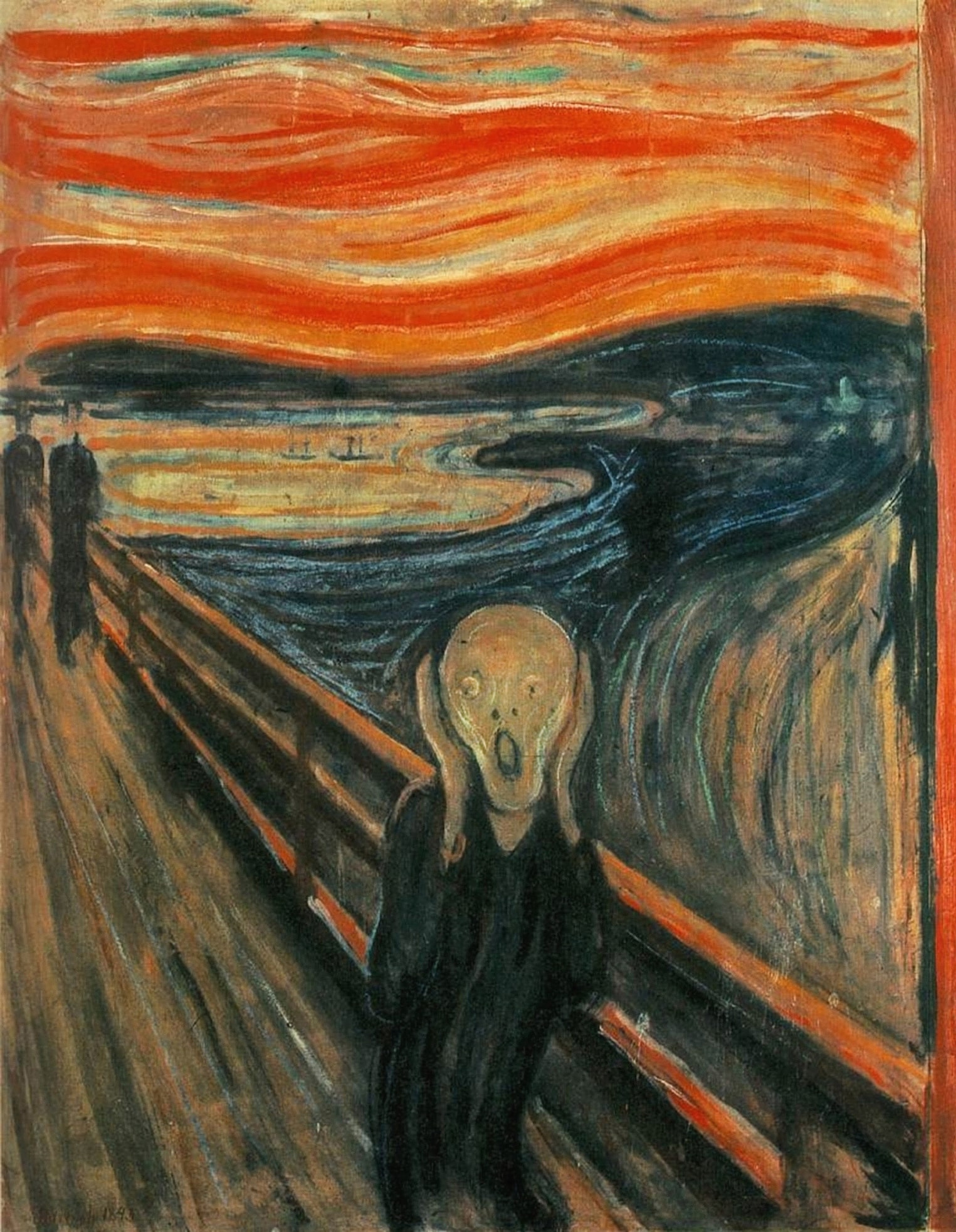
The Scream - Edvard Munch
|
|
Why is “The Scream” screaming? by TED-Ed Art
|
The focus of this 5-minute lecture is to explain the history and meaning of Edvard Munch’s The Scream. It begins with the artist’s personal life and events that shaped his emotional expression. It then explores the painting’s composition, symbolism, and colour choices, highlighting how Munch conveyed anxiety and human vulnerability. Finally, it discusses the painting’s cultural impact and continued relevance. The worksheet includes short-answer questions, gap fill, and critical thinking prompts. EXAMPLE Level ***** [B2/C1] Video [05.03] TEACHER MEMBERSHIP / INSTITUTIONAL MEMBERSHIP
|
|
|
|
|
|
|
|
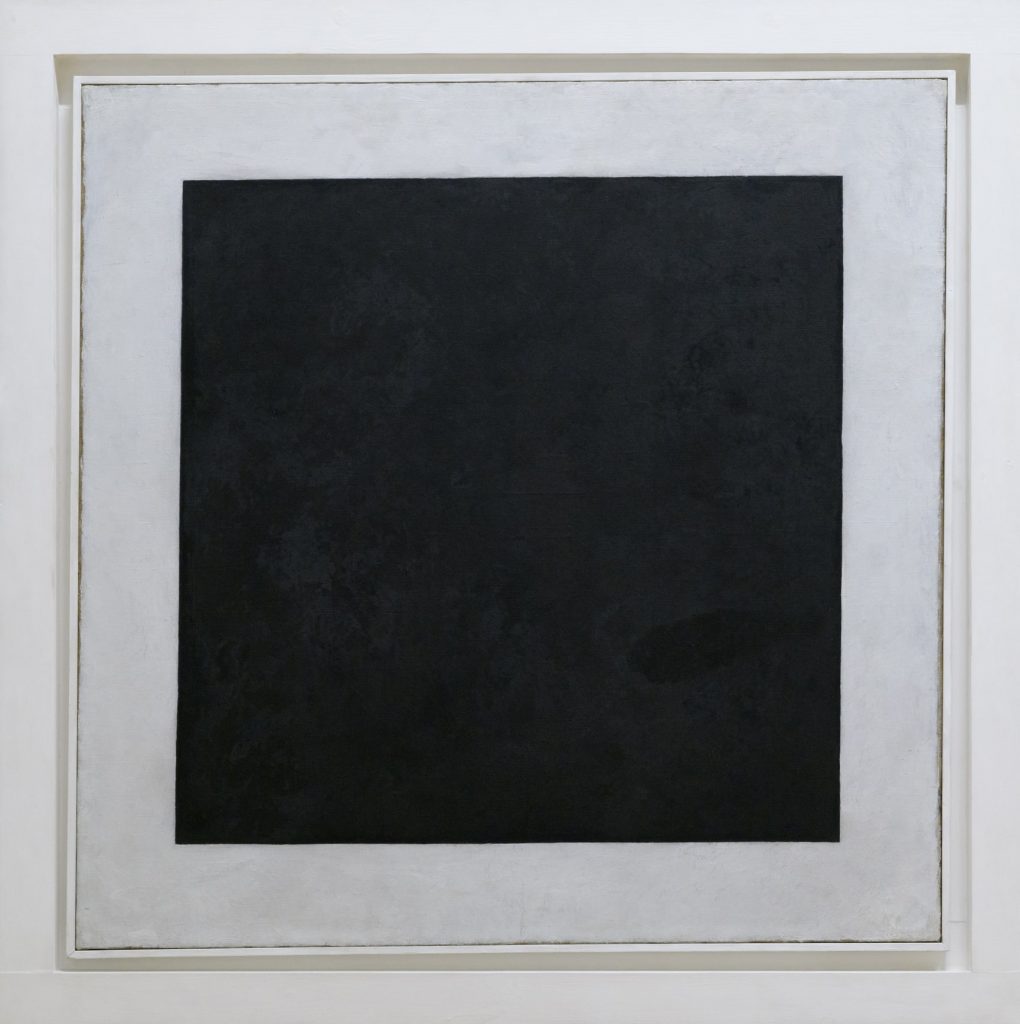
The Black Square – Kazimir Malevich
|
|
Why is this painting of a black square famous? by TED-Ed Art
|
The focus of this 5.40-minute lecture is to explore Kazimir Malevich’s revolutionary painting Black Square. It begins with the historical context of its first exhibition in 1915 and early public reactions. It then examines the painting’s unusual visual features, Cubist influence, and the symbolism behind its abstract simplicity. The talk also discusses technical analysis revealing hidden layers beneath the surface and reflects on the painting’s lasting influence in the art world. The worksheet includes short-answer questions, matching tasks, and critical thinking prompts. EXAMPLE Level ***** [B2/C1] Video [05.40] TEACHER MEMBERSHIP / INSTITUTIONAL MEMBERSHIP
|
|
|
|
|
|
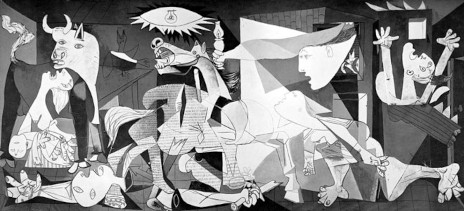
Guernica – Pablo Picasso
|
|
|
|
Why is this painting so shocking? TED-Ed Art (2019)
|
The focus of this 5-minute lecture is to explain the historical and artistic significance of Pablo Picasso’s Guernica. It begins by outlining the events of the 1937 bombing of the Basque village and Picasso’s motivation for painting the work. It then examines the painting’s style, symbolic elements, and emotional impact, before discussing its enduring influence as an anti-war statement. The worksheet includes short-answer questions, gap fill, and critical thinking prompts. EXAMPLE Level ***** [B2/C1] Video [05.04] TEACHER MEMBERSHIP / INSTITUTIONAL MEMBERSHIP
|
|
|
|
|
|
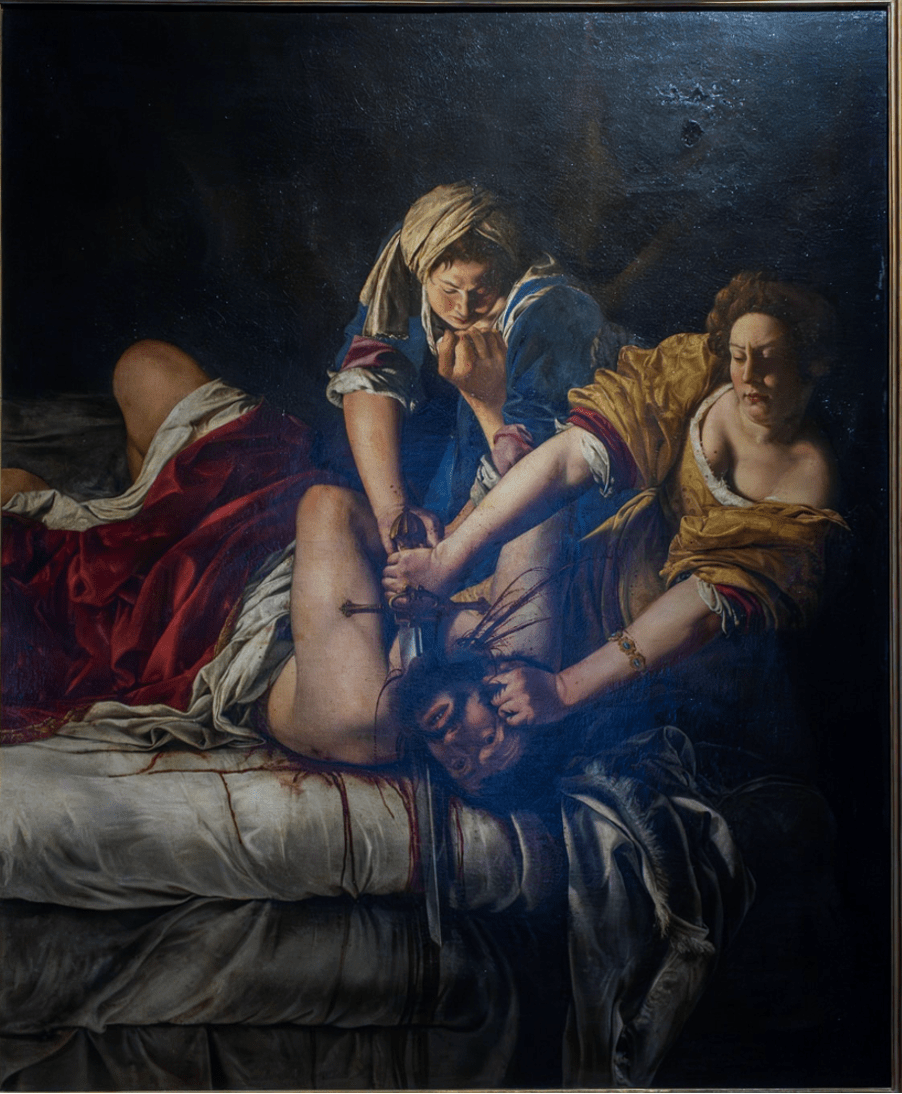
Judith Beheading Holofernes - Artemisia Gentileschi
|
|
|
|
Artemisia Gentileschi: The woman behind the paintings by TED-Ed Art (2022)
|
The focus of this 5.30-minute lecture is to explore the life and work of Baroque painter Artemisia Gentileschi. It begins with her early training and career in Rome before examining her groundbreaking depictions of women in art. The talk analyses selected works for their themes, symbolism, and dramatic style, and considers the challenges she faced as a female artist in the 17th century. The worksheet includes short-answer questions, gap fill, matching tasks, and critical thinking prompts. EXAMPLE Level ***** [B2/C1] Video [05.30] TEACHER MEMBERSHIP / INSTITUTIONAL MEMBERSHIP
|
|
|
|
|
|
|
|
|
|
|
|
|
|
|
|
Aug 2025. "English for Art" refers to specialised English language instruction that develops vocabulary, grammar, and communication skills relevant to visual arts, art history, and related creative ...
|
|
|
|
|
|
British Vs American English
|
|
|
July 2025 The main differences between British and American English. There are many differences but British (BrE) and American (AmE) English generally differ in three main ways:…
|
|
|
|
|
|
Academic Research Report Writing
|
|
|
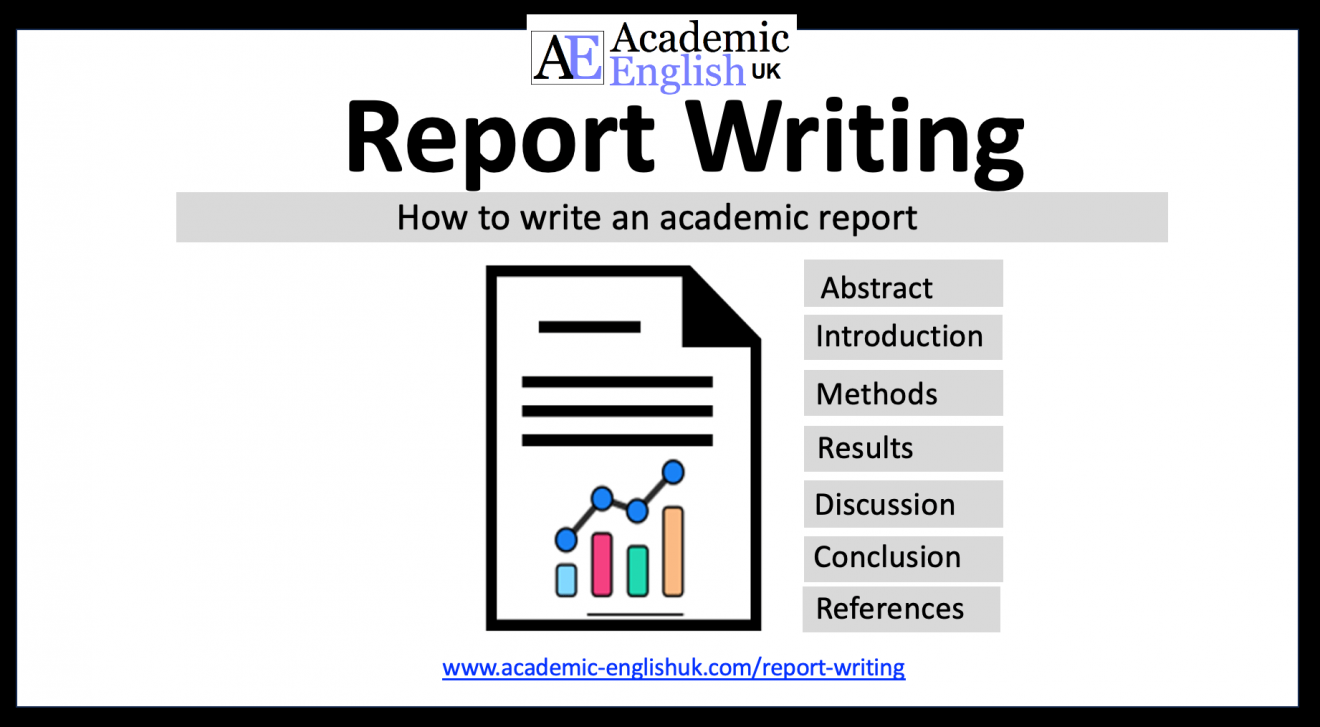
April / May / June 2025. Academic Research Report Writing. An academic report is a structured document that presents information, analysis, and findings on a specific topic or research …
|
|
|
|
|
|
Error Correction in Writing
|
|
|
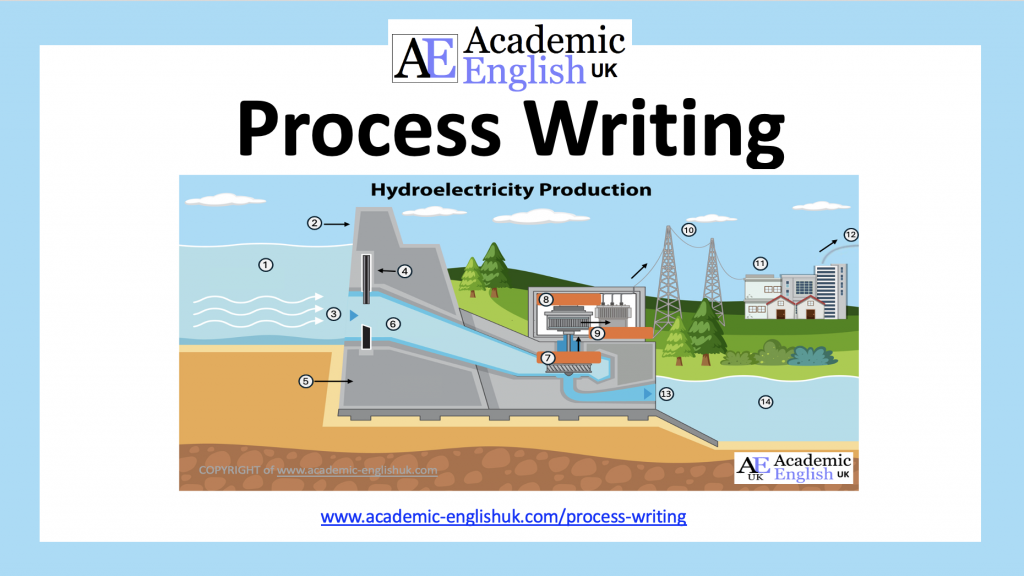
March 2025. Process writing provides a step-by-step description of how something operates or is produced. The explanation includes a range of writing skills: Describe the process in detail...
|
|
|
|
|
|
Error Correction in Writing
|
|
|
Jan & Feb 2025. Error Correction in Writing. These are a selection of lessons that focus on one specific error (prepositions, articles, tenses, wrong word, relative clauses, etc..) in a short ...
|
|
|
|
|
|
Dec 2024 Over the last 12-months of 2024 we created 70 new resources from error correction texts to critical thinking exercises. New releases for 2024 Writing Lessons, vocabulary ...
|
|
|
|
|
|
Want more BLOG articles? Go here for all our 2025 blogs...
|
|
|
|
|
|