|
|
|
|
|
This month we've created a range of academic writing materials based around what we believe are the top 10 key features in academic writing. These materials can be used by students independently or teachers can use them with their classes in either guided lessons or in a workshop type scenario. Obviously, there are more key features in academic writing but we think these are the most helpful for students to work on at the beginning of their academic writing journey.
|
10 Areas of Academic Writing
|
- Features and language to avoid.
- The passive voice.
- Hedging.
- Academic word list.
- Noun phrases.
- Complex sentence structure.
- Cause and effect.
- Parallelism.
- Coherence.
- Cohesion.
Note: It is impossible to cover all aspects of each feature within the constraints of this booklet, therefore we have selected what we think are the most helpful.
|
1. Who is it for? These lessons are designed for international students who are aiming to study in a university where English is the medium of instruction. No prior knowledge of academic writing is required, but the ability to read instructions will be helpful.
|
2. How long will it take to complete each lesson? Depending on the level of the student, their knowledge of academic English, and prior subject knowledge, each lesson would expect to take 60-90 minutes to complete. There are ten lessons altogether.
|
3. What is academic writing? Academic writing is a particular writing style that is seen in academic papers and students’ assignments. It includes certain textual and grammatical features; it contains a logical structure, and it involves using a more formal register than everyday communication.
|
4. What context will be used to practice academic writing? The topic is ‘global issues’ and is connected to the United Nations Sustainable Development Goals (SDGs). These are 17 global goals that aim to create a better world for everyone by ending poverty and protecting the planet. Each lesson in the booklet contains the vocabulary from one or two SDGs; covering 1-15.
|
|
5. How to use these lessons. Students can use this independently or teachers can use it with their classes in either guided lessons or in a workshop type scenario.
|
|
Step 1: Look at the link at the beginning of each lesson for context.
|
|
Step 2: Look up the vocabulary in the ‘vocabulary box’ before completing the tasks.
|
|
Step 3: Read about the features of academic writing for that lesson (Task 1).
|
|
Step 4: Work through each task reading the instructions carefully and checking the answers after each exercise by clicking on the links provided.
|
Step 5: Start applying what you have learnt to your academic assignments.
|
|
|
|
Video Lesson
|
If you can’t access this YouTube video in your country, go here
|
|
|
|
|
|
|
Lesson Booklet Download
|
|
|
Academic Writing Workbook: 10x lessons
|
(New 2024) This academic writing workbook will enable students to improve their writing skills by introducing them to ten important areas of good academic writing style. Each area includes instructions, rules with examples, plenty of practice activities within the context of the UN SDGs and an answer key. The 10 areas are: 1) academic style, 2) passive grammar, 3) hedging, 4) AWL, 5) noun phrases, 6) complex sentences structure, 7) cause & effect, 8) parallelism, 9) coherence and 10) cohesion. Example. Level: *****[B1/B2/C1] TEACHER MEMBERSHIP / INSTITUTIONAL MEMBERSHIP
|
|
|
|
|
|
Individual Lesson Downloads
|
|
|
|
|
1. Features and language to avoid
2. The Passive Voice
3. Hedging / Cautious Language
4. Academic Word List.
5. Noun phrases
6. Complex sentence structure
7. Cause and effect
8. Parallelism
9. Coherence
10. Cohesion.
|
|
|
|
|
|
|
The AEUK Team
Newsletter #152
|
|
|
|
Recent Posts
|
|
|
|
|
Paragraph Writing: Quotations 2
|
|
|
June 2024. Paragraph Writing: "Quotations". What is paragraph writing with quotations? Paragraph writing with quotations are writing lessons to practice a range of key writing skills...
|
|
|
|
|
|
May 2024. A critical review (sometimes called a critical evaluation, a critical analysis, a critical appraisal, or a critical commentary) is a detailed commentary on and evaluation of a text...
|
|
|
|
|
|
Paragraph Writing: Quotations 1
|
|
|
April 2024. Paragraph Writing: "Quotations"What is paragraph writing with quotations? Paragraph writing with quotations are writing lessons to practice a range of key writing skills...
|
|
|
|
|
|
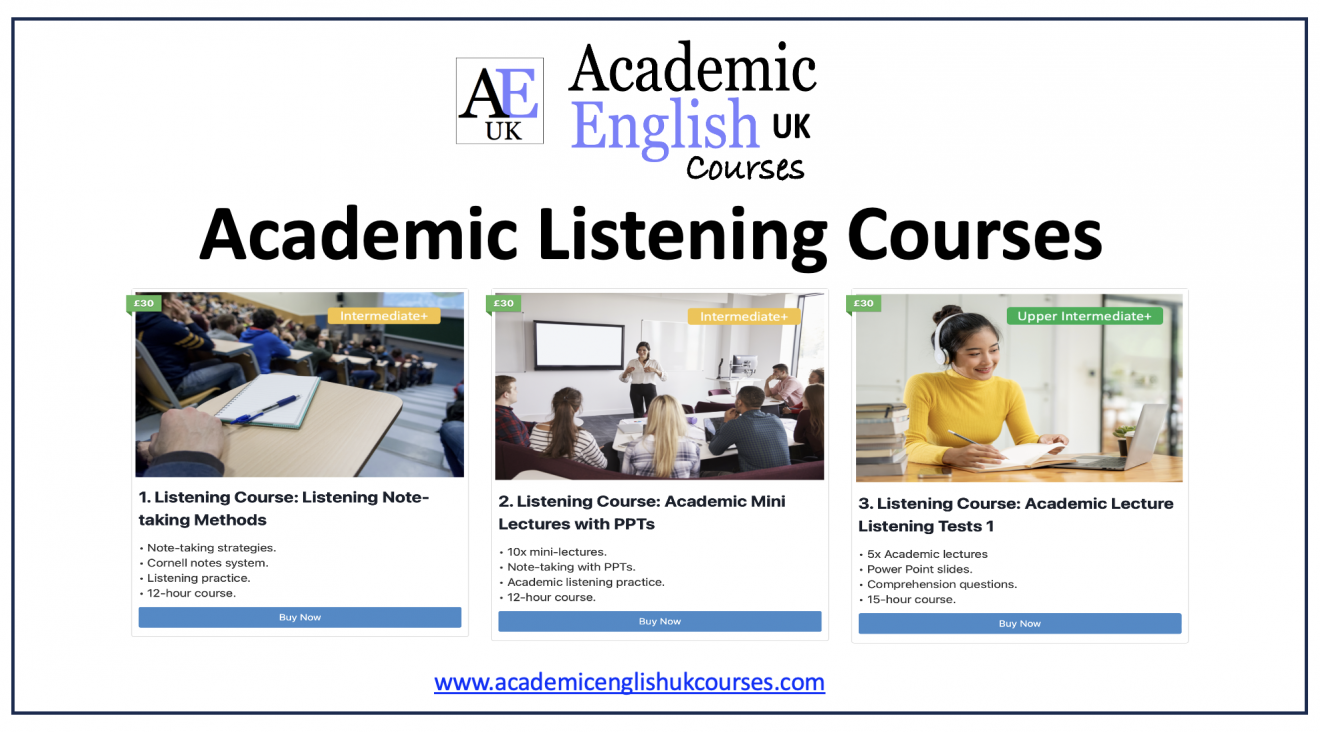
March 2024. Academic English courses are a range of academic English courses to improve your skills for university study. These are for students who are: Level B2 (upper-intermediate) to...
|
|
|
|
|
|
February 2024. Critical reading is necessary for critical writing. Texts need to be examined carefully and critically in order to create a critical analysis of the topic, then this information is used ...
|
|
|
|
|
|
|
|
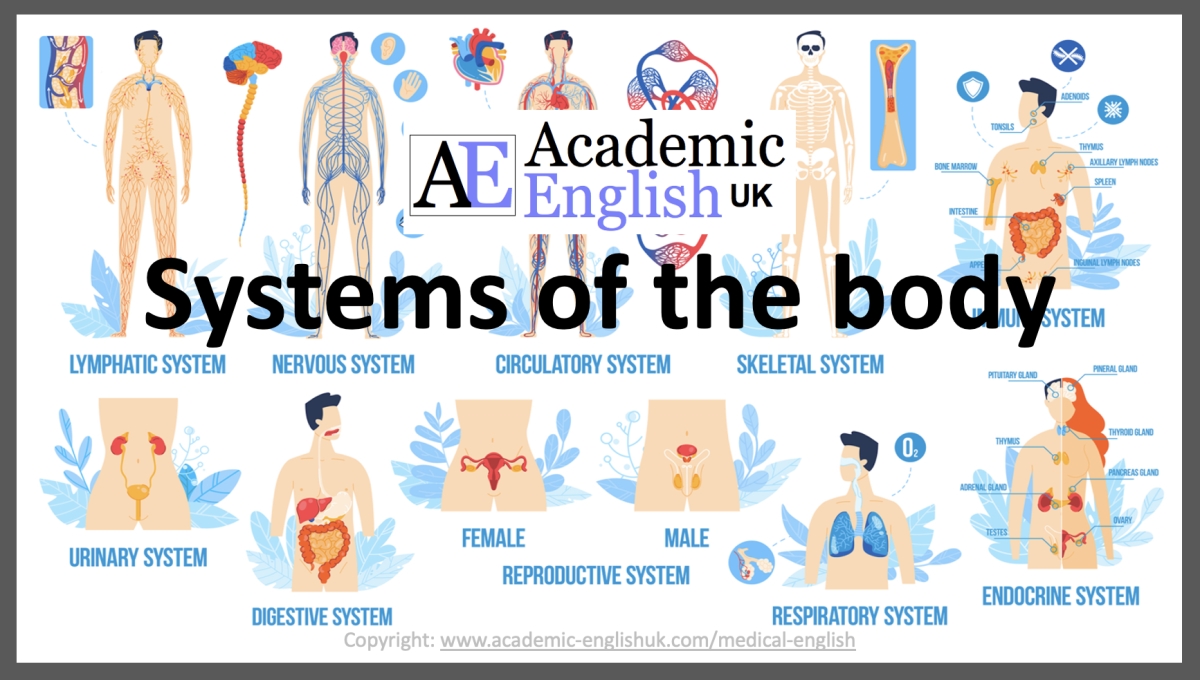
January 2024. Medical English: Systems of the Body. Organs of the human body are commonly grouped into eleven systems. Each body system includes organs and structures that serve ...
|
|
|
|
|
|
|
|
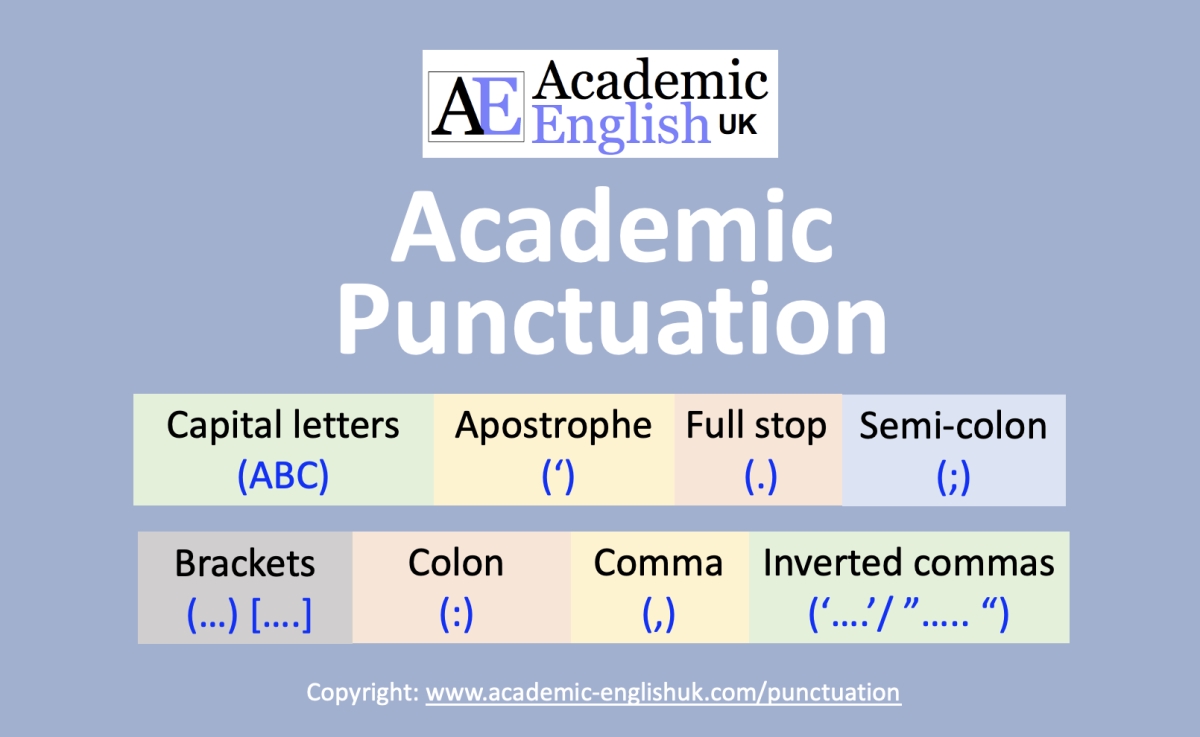
December 2023. Academic Punctuation is used to create sense, clarity and stress in sentences. You use punctuation marks to structure and organise your writing. Punctuation ...
|
|
|
|
|
|
Want more BLOG articles? Go here for all our 2023 blogs...
|
|
|
|
|